Source Modern PVC Waterproof Ceiling Tiles for offices, hotels, and households
Find 30 listings for Modern PVC Waterproof Ceiling Tiles suitable for offices, hotels, and public spaces. Buyers can compare specifications like fireproof and moisture-proof features, sizes, and customization options from verified suppliers in China.
Key considerations
Products List


High Quality Waterproof Moisture-Proof PVC Ceiling Panels Tiles PVC Wall Cladding
$0.90 - $2.60
MOQ: 500 Square Meters

Hot Sale PVC Ceiling Tiles PVC Ceiling Panel PVC Wall Panel for Interior Decoration
$0.90 - $2.60
MOQ: 500 Square Meters

Glossy Printing Decorative PVC Ceiling Tile with Waterproof Surface for Indoor
$1.20 - $2.00
MOQ: 3000 Square Meters

Fireproof PVC Wall Panel Plastic Ceiling Design Panel PVC Ceiling Tiles Manufacturer
$1.19 - $2.00
MOQ: 1200 Square Meters


China Manufacturer Good Quality Waterproof PVC Ceiling Tile for Decoration
$1.18 - $2.00
MOQ: 1200 Square Meters

Factory Direct Sale Nice Design PVC Ceiling Tile with Waterproof Surface
$1.18 - $2.00
MOQ: 1200 Square Meters
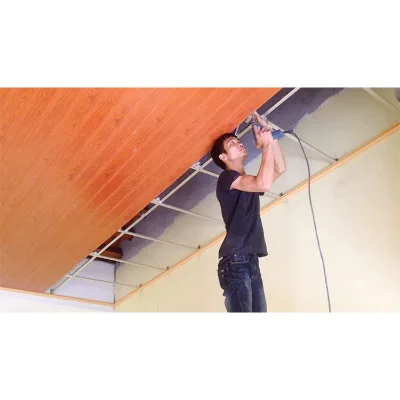


Water Resistant PVC Clear Plastic Suspended Ceiling Tiles for Institutional
$1.56 - $2.26
MOQ: 48 Square Meters

Ceiling Easy Install PVC Ceiling Customized Designs Suspended Ceiling Tiles
$1.82 - $3.58
MOQ: 100 Pieces


Easy Installation Interior Decoration Ceiling Board PVC Ceilings Waterproof Ceiling Tiles
$2.00 - $2.20
MOQ: 1000 Square Meters

Modern Common Interior PVC Ceiling Panel PVC Ceiling Tiles Factory Price
$1.80 - $2.20
MOQ: 1000 Square Meters


Comprehensive Sourcing Guide
Strategic Sourcing Guide for Modern PVC Waterproof Ceiling Tiles
Understanding Product Attributes and Functional Versatility
The modern PVC waterproof ceiling tile represents a significant evolution in interior construction materials, specifically designed to address the challenges of humidity, fire safety, and aesthetic integration. Based on observed market data, these products are characterized by a distinct set of functional attributes that distinguish them from traditional gypsum or mineral fiber alternatives. The core functionality of these tiles is multifaceted, offering fireproof, soundproof, moisture-proof, and waterproof capabilities. This combination makes them particularly suitable for environments where water exposure is a constant risk, such as bathrooms, kitchens, and industrial facilities, while also serving general office and public spaces.
The material composition is primarily Polyvinyl Chloride (PVC), which provides the inherent flexibility and durability required for modern ceiling applications. The surface treatment processes observed in the market include film coating and vinyl-coated designs, often featuring high-glossy finishes or glossy printing. This allows for a wide range of visual styles, from modern to European aesthetics, while maintaining the structural integrity of the tile. The surface texture can vary, with some products featuring artistic patterns or honeycomb structures, while others maintain a smooth, integrated ceiling appearance. The back side of these tiles frequently utilizes aluminum foil paper, which serves to enhance heat insulation and moisture resistance, acting as a barrier against condensation and thermal transfer.
Color options are predominantly white, providing a neutral canvas that complements various interior design schemes, though the customization options available in the market suggest that buyers can request specific hues or patterns. The physical shape of the tiles is typically square or rectangular, with standard dimensions often cited as 6036037mm or 5955957mm. However, variations exist, including widths of 25cm or 30cm and thicknesses ranging from 7mm to 9mm. The weight of these panels is a critical factor for structural load calculations, with observed specifications indicating a density of approximately 2.8kg per square meter. This relatively low weight facilitates easier installation and reduces the stress on the supporting grid system compared to heavier stone or metal alternatives.
Technical Specifications and Dimensional Standards
When evaluating PVC ceiling tiles for procurement, precise adherence to technical specifications is paramount to ensure compatibility with existing infrastructure and design requirements. The market presents a variety of model numbers, such as 154, 238, 567, 631, 991, 996, xw150, xw1505, and WP7392, each potentially corresponding to specific dimensional or functional configurations. Buyers must verify the exact standard dimensions before placing orders, as inconsistencies can lead to installation failures or gaps in the ceiling plane.
The standard thickness for these tiles is frequently observed at 7mm, 8mm, or 9mm. For instance, specific product lines are defined by standards such as 30cm by 7mm or 40cm by 9mm, with lengths extending up to 2.9 meters in certain panel formats. The width variations, including 25cm and 40cm options, allow for different grid layouts and aesthetic rhythms. It is crucial to note that while some products are listed with a "Square" shape, others are explicitly described as "Rectangle," which impacts the visual flow of the ceiling. The integration of these tiles often relies on a specific grid system, and the thickness must align with the depth of the T-bar or suspension system being used.
Packaging standards also play a role in logistics and handling. Common packaging configurations include 10 pieces per carton or 10 pieces per bale, with some products utilizing film wrapping for additional protection. The origin of these products is predominantly China, with specific manufacturing hubs noted in locations such as Haining City. This geographic concentration suggests a mature supply chain, but it also necessitates careful verification of the specific factory's capabilities and quality control measures. The "Customized" attribute is a significant feature, allowing buyers to request non-standard dimensions or specific surface treatments, though this may impact lead times and minimum order quantities (MOQ).
Compliance, Certification, and Regulatory Standards
Navigating the regulatory landscape for PVC ceiling tiles requires a thorough understanding of the certifications that validate product safety and quality. The market data indicates a robust presence of international and regional certifications, including CE, ISO, ISO9001, RoHS, CIS, and Soncap. These certifications are not merely marketing labels but serve as evidence that the manufacturer adheres to specific quality management systems and safety standards.
The CE marking is a critical indicator for products entering the European market, signifying conformity with health, safety, and environmental protection standards. ISO9001 certification demonstrates that the manufacturer has established a quality management system that meets international standards for consistency and reliability. The RoHS (Restriction of Hazardous Substances) directive is particularly relevant for PVC products, ensuring that the material does not contain excessive levels of lead, mercury, cadmium, or other hazardous substances. This is essential for maintaining indoor air quality and ensuring the safety of occupants in residential and commercial buildings.
Regional certifications like Soncap (Standards Organisation of Nigeria Certification) and CIS (Central Inspection Service) highlight the global reach of these products and their compliance with specific national import requirements. Buyers targeting markets in Africa or specific Asian regions must verify that the supplier holds the necessary local certifications to avoid customs delays or rejection of goods. The presence of multiple certifications on a single product line suggests a high level of compliance, but buyers should request valid, up-to-date certificates for the specific batch being purchased. It is important to distinguish between general company certifications and product-specific test results, as the latter provide more direct evidence of the tile's performance characteristics.
Cost Drivers and Economic Considerations
The pricing structure for Modern PVC Waterproof Ceiling Tiles is influenced by a complex interplay of factors, including material costs, manufacturing complexity, certification requirements, and logistics. The observed price range in the market is extensive, spanning from $0.30 to $200,000. This wide variance indicates that the market includes both basic, commodity-grade tiles and highly specialized, custom-engineered solutions. The lower end of the spectrum likely represents standard, mass-produced square tiles with minimal customization, while the higher end may involve large-scale orders, complex artistic designs, or specialized fireproofing treatments.
Minimum Order Quantity (MOQ) is another significant cost driver, with observed ranges from 1 to 5,000 units. For small-scale projects or sample testing, suppliers with low MOQs are essential, though the unit cost may be higher. Conversely, large-scale procurement can leverage economies of scale to reduce the per-unit price, provided the buyer can meet the higher volume requirements. The customization factor also impacts cost; requests for specific patterns, colors, or non-standard dimensions typically incur additional setup fees and higher per-unit costs.
Logistics and origin play a role in the final landed cost. Products originating from China, particularly from manufacturing hubs like Haining City, benefit from established export infrastructure, but shipping costs and tariffs must be factored into the total budget. The packaging method, whether cartons or bales, affects shipping efficiency and potential damage rates, which can influence insurance and replacement costs. Buyers should also consider the long-term value proposition; while a higher initial investment in fireproof or soundproof tiles may seem costly, the reduction in maintenance and replacement costs over time can justify the expense.
Typical Applications and Performance Environments
The versatility of PVC waterproof ceiling tiles makes them suitable for a diverse array of applications, ranging from residential to industrial settings. The primary applications identified include offices, hotels, households, and public spaces. In office environments, the soundproof and integrated ceiling features contribute to a quieter, more professional atmosphere, while the moisture-proof nature ensures durability in areas with high foot traffic or potential spills.
For hotels and hospitality venues, the aesthetic appeal of the tiles is crucial. The availability of artistic, honeycomb, and perforated designs allows for the creation of unique ceiling features that enhance the guest experience. The fireproof and smoke-proof attributes are particularly important in these settings, where safety regulations are stringent. In household applications, the waterproof and moisture-proof characteristics make these tiles ideal for bathrooms, kitchens, and basements, where traditional materials might degrade due to humidity.
Industrial and specialized applications also benefit from these products. The "Dust Free Room" application highlights the suitability of PVC tiles for environments requiring high levels of cleanliness, such as laboratories or manufacturing facilities. The heat insulation properties contribute to energy efficiency, reducing the load on HVAC systems. The "Normal Ceiling" function indicates that these tiles can also serve as a standard replacement for existing ceiling systems, offering a cost-effective upgrade path for building owners. The specific combination of fireproof, heat insulation, and moisture-proof functions makes them a robust choice for any environment where environmental control is a priority.
Supplier Evaluation and Quality Assurance Protocols
Selecting a reliable supplier for PVC ceiling tiles requires a rigorous evaluation process that goes beyond price comparisons. Buyers should prioritize suppliers who can provide comprehensive documentation of their certifications, including CE, ISO, and RoHS, and verify the authenticity of these documents. The presence of specific certifications like Soncap or CIS for target markets is a strong indicator of a supplier's experience with international trade and regulatory compliance.
Quality control measures should be a central part of the supplier evaluation. Buyers should inquire about the manufacturing processes, specifically the film coating and vinyl coating techniques used to achieve the desired surface finish. The consistency of the aluminum foil backing and the uniformity of the thickness are critical quality indicators. Requesting samples is essential to verify the physical attributes, such as weight, flexibility, and resistance to moisture and fire. The supplier's ability to handle customization requests without compromising quality is another key factor.
Lead times and production capacity are also important considerations. While specific lead times are not provided in the general data, the range of MOQs suggests that suppliers may have varying production capacities. Buyers should establish clear communication regarding production schedules and delivery timelines to avoid project delays. The origin of the product, specifically from established manufacturing regions like Haining City, can be a positive signal, but it is essential to verify the specific factory's reputation and track record.
Long-Term Procurement and Maintenance Strategy
Procuring PVC waterproof ceiling tiles is not just a one-time transaction but part of a long-term strategy for building maintenance and management. The durability of these materials, combined with their resistance to moisture and fire, suggests a long service life with minimal maintenance requirements. However, buyers should consider the potential for future replacements or expansions. The availability of standardized sizes and the ease of customization can facilitate future renovations.
Sustainability is an increasingly important factor in long-term procurement. The use of PVC, while durable, raises questions about environmental impact and end-of-life disposal. Buyers should investigate the recyclability of the materials and the supplier's commitment to sustainable manufacturing practices. The heat insulation properties of the tiles contribute to energy efficiency, which can lead to long-term cost savings and reduced carbon footprints.
Finally, the integration of these tiles into the building's overall design and safety systems is crucial. The fireproof and smoke-proof attributes must be verified against local building codes and regulations. Regular inspections and maintenance schedules should be established to ensure that the ceiling system remains in optimal condition. By adopting a strategic approach to procurement, buyers can ensure that their investment in PVC ceiling tiles delivers value over the lifespan of the building.
FAQs
What certifications do Modern PVC Waterproof Ceiling Tiles have?
These tiles typically hold CE, ISO, ISO9001, RoHS, CIS, and Soncap certifications. Buyers should verify specific batch certificates to ensure compliance with regional import requirements like Soncap for Nigeria or CIS for Central Inspection Service markets.
Which dimensions are standard for Modern PVC Waterproof Ceiling Tiles?
Standard dimensions include 603*603*7mm, 595*595*7mm, and 40cm by 9mm by 2.9m. Variations also exist with widths of 25cm or 30cm and thicknesses ranging from 7mm to 9mm depending on the specific model.
Can buyers customize the color and pattern of these ceiling tiles?
Yes, customization is available for specific hues and patterns beyond the standard white color. Buyers can request artistic, honeycomb, or perforated designs, though non-standard requests may impact lead times and minimum order quantities.
What are the primary applications for Modern PVC Waterproof Ceiling Tiles?
These tiles are suitable for offices, hotels, households, public spaces, and dust-free rooms. Their fireproof, moisture-proof, and soundproof features make them ideal for humid areas like bathrooms and industrial facilities requiring high cleanliness.
How are Modern PVC Waterproof Ceiling Tiles packaged for shipping?
Common packaging includes 10 pieces per carton or 10 pieces per bale with film wrapping. This configuration protects the vinyl-coated or high-glossy surfaces during transit from manufacturing hubs like Haining City in China.
What is the typical weight per square meter for these ceiling tiles?
The observed weight is approximately 2.8kg per square meter for these panels. This relatively low density facilitates easier installation and reduces structural load on the supporting grid system compared to heavier stone or metal alternatives.